Thursday, October 17, 2013

Indian-Spiced Eggplant & Cauliflower Stew


The more I experiment with my eggplant crop, the more I'm coming to appreciate what a versatile canvas it can be. Baba ganoush and eggplant Parmesan are two of the most iconic dishes for this gorgeous member of the nightshade family (ratatouille and moussaka being others), but I have to say I'm especially pleased with how it fares with the vibrant spices of Indian cuisine.

Curry powder and garam masala form the flavor backbone of this dish and their varieties myriad and varied, so choose ones that you really love for this recipe. Cauliflower and potato curry was the first one I ever prepared (and loved!), earning cauliflower an eternal welcome in any curry I make; it takes a turn as an expert companion to eggplant here. Onions, tomatoes, and chickpeas round out a typical cast of characters, all of those ingredients taking up classic Indian spices with great aplomb. The creamy swirl of yogurt or sour cream makes the tapestry of flavors especially vibrant, so barring veganism or lactose intolerance, I strongly encourage that finishing touch.

Though Indian food comes from a land that generally dare not dream of freezing temperatures, those flavors are just as delightful on chilly Wisconsin fall day as a searing one in Delhi. Flavorful bites call up images of warm and far away lands, while still linked to milder climes by familiar comforting spices of fall like cinnamon and cardamom.

Indian-Spiced Eggplant and Cauliflower Stew
adapted from Eating Well
serves 4 to 6

2 tablespoons curry powder
1 teaspoon garam masala
1 teaspoon mustard seeds
2 tablespoons canola oil
1 large onion, sliced
4 cloves garlic, minced
1 teaspoon finely grated fresh ginger
3/4 teaspoon salt
1 1-pound eggplant, cut into 1-inch chunks
8 ounces small cauliflower florets
1 15-ounce can diced tomatoes
1 15-ounce can chickpeas, rinsed
1/2 cup water
1/2 cup plain yogurt or sour cream, (optional)
Pita, rice, or naan, for serving (option)

1. Heat a Dutch oven over medium heat. Add curry powder, garam masala and mustard seeds and toast, stirring, until the spices begin to darken, about 1 minute. Transfer to a small bowl.

2. Add oil, onion, garlic, ginger and salt to the pot and cook, stirring, until softened, 3 to 4 minutes. Stir in eggplant, cauliflower, tomatoes, chickpeas, water and the reserved spices. Bring to a simmer. Cover, reduce heat and cook, stirring occasionally, until the vegetables are tender, 15 to 20 minutes. Top each serving with a dollop of yogurt or sour cream, if desired, and serve with pita, rice, or naan, if desired.

Tuesday, October 15, 2013

Roasted Eggplant and Chickpea Soup


Someone failed to tell my eggplants that it's fall, because they just keep producing. Temperatures slipped dangerously close to freezing last night, but as long as Jack Frost stays away, I'm going to let them keeping on growing. I'm glad this bumper crop arrived after my zucchini had waned, because turning eggplant into Thai curry, baba ganoush, and eggplant Parmesan has certainly kept me busy already. My winter CSA starts in just a couple of weeks and I'm confident I'll have put it all to good use by then.

The obvious place to turn to use up a lot of any one vegetable is soup, and though the list of ingredients is brief, this certainly isn't short on taste.There's a bit of chopping and peeling (if desired) involved to get your vegetables ready for primetime, but the ingredients mostly roast unattended, developing a deep flavor with minimal effort required. Chickpeas roast alongside the eggplant, onions, and garlic, picking up a nutty flavor and crunchy texture that is the perfect contrast to the silky, earthy eggplant. A dollop of yogurt or sour cream adds a rich, creamy, tangy accent, but isn't necessary if you're vegetarian or vegan.

This soup may be made with the last of my summer crop, but it most certainly has the soul of fall, each bite packed with the hearty texture and flavor necessary to fortify against the impending colder months.

Roasted Eggplant and Chickpea Soup
adapted from Martha Stewart
serves 4

2 medium eggplants (about 1 1/2 pounds total), peeled, if desired, and cut into 1-inch pieces
1 small yellow or white onion, diced medium
2 garlic cloves, unpeeled
6 teaspoons extra-virgin olive oil
Coarse salt and ground pepper
1 can (15.5 ounces) chickpeas, rinsed, drained, and patted dry
4 cups low-sodium chicken or vegetable broth or water
Fresh oregano (optional)
Plain yogurt or sour cream (optional)

1. Preheat oven to 400 degrees. In a large bowl, toss together eggplant, onion, garlic, and 4 teaspoons of the olive oil; season with salt and pepper. Arrange in a single layer in a roasting pan or rimmed baking sheet, leaving a wide strip of empty space at one end. In bowl, toss chickpeas with remaining 2 teaspoons olive oil. Transfer to empty space on sheet. Roast until eggplant is golden and cooked through and chickpeas are slightly crunchy, about 35 minutes.

2. Set chickpeas aside. Peel garlic and add to a medium pot, along with eggplant, onion, and broth. Bring mixture to a simmer over medium-high. With a potato masher or back of a wooden spoon, mash some eggplant until soup is thick and chunky, or puree to desired consistency with an immersion blender. Stir in chickpeas and season to taste with salt and pepper. To serve, top with fresh oregano and plain yogurt, if desired.

Sunday, October 13, 2013

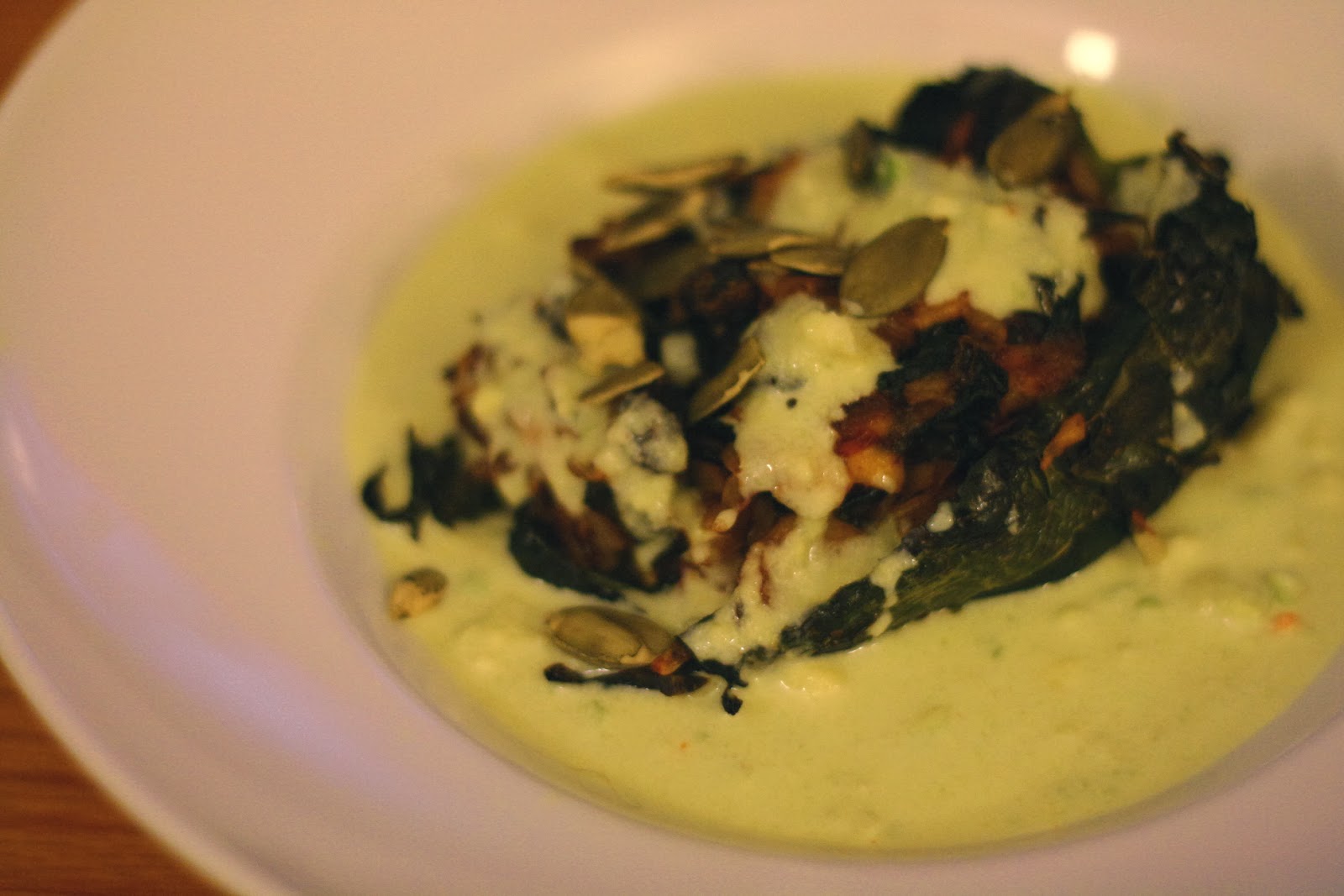
Roasted Chile Relleno with Avocado-Chipotle Sauce


Whether in their fresh or dried (ancho) form, poblanos are my favorite pepper, and consequently I have a real weakness for chile rellenos. It's one of my favorite things to order when I'm out for Mexican food, and I'll happily chow down on both the Americanized and authentic versions. Despite a deep love for this dish, I don't have the ambition or time to bread and deep-fry chile rellenos at home. But a roasted version? That I can handle.

Restaurant chile rellenos are often just stuffed with wonderfully indulgent amounts of cheese, but I love the added veggie, beans, and grains in the homemade version that create a much more varied collection of flavors and textures. Though it lacks a deep-fried breading, the luxurious avocado sauce and toasty pepitas add their own unique richness and crunchiness that are still amply satisfying. A healthier and less labor-intensive version of the Pueblan classic, this dish is a more-than-fitting use of that state's namesake pepper to fulfill your spicy, cheesy cravings.

Roasted Chile Relleno with Avocado-Chipotle Sauce
adapted from Serve Yourself by Joe Yonan
serves 1

1 large or 2 to 3 small to medium poblano peppers

For the Filling:
2 teaspoons extra virgin olive oil
½ teaspoon ground ancho chile
1 medium shallot lobe, thinly sliced
1 clove garlic, thinly sliced
4 or 5 Swiss chard leaves, stacked, rolled, and thinly sliced (or spinach or kale)
1 plum or other small tomato, cored, seeded, and chopped
¼ cup cooked black or pinto beans, preferably homemade, rinsed and drained
¼ cup cooked brown or white rice, farro, or quinoa
1 ounce Monterey Jack or cheddar cheese, cut into small chunks or grated
Kosher or sea salt

For the Sauce:
½ avocado, pitted
2 tablespoons low-fat yogurt or sour cream
¼ teaspoon adobo sauce (from a can of chipotle in adobo)
Juice of ½ lime
2 to 3 tablespoons water
1 tablespoon roasted shelled pumpkin seeds (pepitas)

1. Preheat the oven to 400°F.

2. Blacken the skin of the poblano pepper by turning a gas burner to high and setting the poblano right on the grate, using tongs to turn it periodically until it is charred all over. (If you don’t have a gas stove, preheat your oven broiler and set the poblano on a pan about 4 to 5 inches from the broiler element or flame and broil for 5 to 6 minutes, turning periodically until it is charred all over.) Transfer the pepper to a stainless steel or glass bowl, cover with plastic wrap, and let steam as it cools.

3. While the poblano is cooling, make the filling. Pour the olive oil into a medium skillet over medium heat. When the oil starts to shimmer, sprinkle in the ground ancho chile and cook for about 30 seconds, until it foams and releases its aroma. Add the shallot and garlic and cook, stirring occasionally, until the vegetables start to soften, 2 to 4 minutes. Stir in the Swiss chard and tomato and cook until the chard wilts and the tomato softens, 4 to 5 minutes. Transfer to a small bowl. Stir in the black beans, rice, and cheese, and season with salt to taste. Let cool.

4. When the poblano is cool enough to handle, gently rub off the blackened skin, being careful not to tear the flesh open. Use a sharp paring knife to cut a slit on one side of the poblano, starting near the stem and cutting about halfway down the side. Carefully reach in and remove the seeds, trying not to enlarge the opening if possible. Use your hands to carefully stuff the filling into the poblano, getting it as full as possible. Carefully transfer the stuffed poblano to a baking sheet, cut side up. Don’t worry if the filling is exposed.

5. Roast the poblano for 15 to 20 minutes, until the filling is bubbling and the cheese is melted. Remove from oven and let cool slightly.

6. While the poblano is roasting, make the sauce. Scoop the avocado flesh into a small bowl and use a fork to thoroughly mash it. Whisk in the yogurt, adobo sauce, and lime juice, adding more water if you want the sauce to be thinner. Pour enough sauce onto a dinner plate to evenly coat the botom.

7. Transfer the poblano to the plate and spoon remaining sauce on top, sprinkle with the pumpkin seeds, and eat.

Note: To roast the pumpkin seeds, spread them in a single layer on a baking sheet. Bake at 375°F for 5 to 7 minutes, until the seeds are very fragrant. Immediately transfer to a plate to stop the cooking and allow the seeds to cool completely.

Thursday, October 10, 2013

Pan-Seared Salmon with Braised Lentils and Swiss Chard


Because I have an adventurous palate, my constant quest for new foods and flavors can sometimes lead me to forget about out old favorites. For whatever reason, lentils are one of those foods for me. I don't think I've met a lentil dish I didn't like, but I don't find myself plucking them out of the pantry on a regular basis. And there's no good reason for not making them more often. They cook much faster than your average dried legume without requiring any pre-soaking, making them the perfect bean for a quick weeknight meal.

The list of ingredients is startlingly short for the flavor the finished dish turns out, just a few gentle touches of herb and acid required to perfectly unite the earthy lentils, rich salmon, and subtly bitter Swiss chard in a flavorful broth. I found this combination to be absolutely delectable, but I already have notions of trying spinach and kale once I've finally picked my Swiss chard plants clean. This is satisfying enough on its own, but if you're feeling a bit more voracious, a side of quinoa or rice really rounds out the meal nicely. Quick enough for an average Thursday, but special enough for date night, this dinner is sure to impress whether or not there's time to linger over each scrumptious bite.

Pan-Seared Salmon with Braised Lentils and Swiss Chard
adapted from America's Test Kitchen Cooking for Two 2010
serves 2

2 tablespoons unsalted butter
1/2 bunch Swiss chard (about 6 ounces), stems and leaves separated, stems chopped and leaves cut into 1-inch pieces
1/4 cup minced onion
1 garlic clove, minced
1/4 teaspoon minced fresh thyme or pinch dried
2 cups low-sodium chicken or vegetable broth
1/2 cup brown lentils (about 3 ounces), picked over and rinsed
1/2 teaspoon fresh lemon juice
Salt and pepper
2 (6-ounce) skinless center-cut salmon fillets, about 1 1/2 inches thick
1 teaspoon vegetable or canola oil
Lemon wedges, for serving

1. Melt 1 tablespoon of the butter in a 10-inch non-stick skillet over medium heat. Add the chard stems and onion and cook until the vegetables are softened, about 5 minutes. Stir in the garlic and thyme and cook until fragrant, about 30 seconds.

2. Stir in 1 3/4 cups of the broth, lentils, and lemon juice. Bring to a simmer, reduce the heat to low, cover, and cook until the lentils are tender, about 30 minutes. Season with salt and pepper to taste, transfer to a bowl, and cover to keep warm.

3. Pat the salmon fillets dry with paper towels and season with salt and pepper. Wipe out the skillet with a wad of paper towels, add the toil, and return to medium-high heat until just smoking. Carefully lay the salmon in the skillet, skinned-side up, and cook until well-browned on the first side, about 5 minutes. Flip the fish and continue to cook until the sides are opaque and the thickest part registers 125 degrees on an instant-read thermometer, 3 to 5 minutes longer. Transfer the fish to a plate, tent loosely with foil, and let rest while finishing the lentils.

4. Wipe out the skillet with a wad of paper towels and return to medium-high heat Ad the lentils and remaining 1/4 cup broth and cook until hot, about 1 minute. Stir int he chard leaves and remaining 1 tablespoon butter and cook, stirring constantly, until the chard is wilted, 2 to 3 minutes. Serve the salmon and lentils with lemon wedges.

Tuesday, October 8, 2013

Kale Walnut Pesto


In the not too distant future, it's going to be time to completely clean out my vegetable and herb gardens. My kale plants have continued to produce generously throughout the summer, and despite a voracious appetite for kale chips, my overzealous planting left me with an abundance of kale to use up. I've made many pestos with my herb garden plenitude and other greens, but this is my first foray into one made with hearty winter greens, and while it has a character all its own, it certainly doesn't disappoint. Kale doesn't have as assertive a flavor as basil, but its earthiness is a wonderful foil for salty, savory Parmesan and rich, toasty walnuts. Traditional pesto doesn't contain any citrus, but the subtle addition of lemon really brightens the sauce and brings out more in all of the other ingredients.

I froze this pesto in 1/4 cup portions, enough  to lightly sauce one serving of pasta, so there's no excuse not to prepare a homemade meal for dinner. To use with pasta, cook pasta to just shy of al dente and drain, reserving about 1/4 cup pasta water per serving. Return the pasta to the pan, add the (thawed) pesto to the warm noodles and toss to coat, adding  pasta water a tablespoon at a time until sauce achieves desired consistency. Add a little more freshly grated Parmesan, if desired, and serve promptly.

This pesto has many uses beyond a pasta sauce, delicious on a sandwich (especially grilled cheese), as a dressing for potato salad, or with eggs. If this particular combination of greens, nuts, and cheese isn't to your liking feel, this is still a great template for experimentation. Arugula, pecans, and Pecorino Romano? Spinach, almonds, and Asiago? No matter what greens, nuts, and cheese you choose, this recipe is a culinary road map to, quite literally, awesome sauce.

Kale Walnut Pesto
makes 1 1/2 to 2 cups, enough for 6-8 servings of pasta
adapted from The Kitchn

1/2 cup chopped walnuts
8 ounces kale, trimmed, rinsed and chopped
1 cup shredded Parmesan cheese
1/2 cup extra-virgin olive oil
4 cloves garlic, chopped
2 teaspoons lemon juice
1/2 teaspoon lemon zest
1 teaspoon salt
1/2 teaspoon pepper

1. Preheat the oven to 350°F. Spread the nuts in a single layer on a rimmed baking sheet and roast them in the oven until they are golden and fragrant, about 10 minutes.

2. Meanwhile, bring a large pot of salted water to boil. Have a large bowl of cold water ready. Drop the chopped kale into the boiling water. When the water returns to a boil, swirl the kale around a few times until it becomes limp.

3. Drain the kale and plunge it into the cold water. Drain again, then place the kale on a clean dishtowel and blot away the moisture.

4. Place the nuts, kale, Parmesan, olive oil, garlic, lemon juice, salt and pepper in a blender and puree until uniformly smooth. You may need to add more olive oil to reach desired consistency.

5. To refrigerate, cover with plastic wrap directly on the surface of the pesto. Will stay fresh for up to 3 days. To freeze, place desired portions in small containers with plastic directly on the surface of the pesto, or place in plastic freezer bags, and freeze for up to two months.

Sunday, October 6, 2013

Applesauce Flax Oat Bars with Fruits and Seeds


When it comes to breakfast on-the-go, these bars are the ultimate in portable oatmeal. I was personally sold on this recipe from the first ingredient on the list, healthy and flavorful coconut oil. I first bought coconut oil specifically to make Oatcakes, one of my all-time favorite snacks, but because I don't have familiarity with is as I do other oils, it hasn't gotten nearly the use it should. The rest of ingredients on the list - from the peanut butter, now shown to reduce the risk of breast disease, to the nuts, seeds, dried fruit, and spices - are no slouch either. Raisins, cranberries, pepitas, and sunflower seeds are ingredients that I always have in the pantry, but dried blueberries, cherries, or apricots or any kind of kind of nuts, preferably toasted, would make great substitutions. The applesauce keeps these bars moist and adds a subtle sweetness, but my next experiment with this recipe is sure to be using pumpkin puree instead of part or all of the applesauce. Individual bars freeze well, especially if you bake them in an individual brownie pan, which gives you more brown and crispy edges and makes them more structurally sound. With all the goodness of a loaded bowl of oatmeal, these bars pack flavor and nutrition into a form that's easy to eat anytime, anywhere.

Applesauce Flax Oat Bars with Fruits and Seeds
adapted from The Kitchn
makes 12 bars

1/4 cup melted coconut oil
3 tablespoons smooth peanut or almond butter
3 tablespoons honey, maple syrup, or brown rice syrup
1/4 cup ground flax seeds
1 1/4 cups apple sauce
1 teaspoon vanilla
3 cups rolled oats (use certified gluten-free oats if necessary)
1/2 cup raisins
1/2 cup dried cranberries
1/4 cup pumpkin seeds (pepitas)
1/4 cup sunflower seeds
1/ 2 to 1 teaspoon cinnamon (to taste)
1/4 teaspoon nutmeg (optional)
1/4 teaspoon salt

1. Preheat oven to 325°F. Line an 8"x8" baking pan with parchment paper.

2. In a small saucepan over low heat, combine the melted coconut oil, peanut butter, and brown rice syrup and stir until melted. Remove from heat. Add the ground flax seeds, apple sauce, and vanilla, and whisk to combine.

3. In a large bowl, combine the oats with the dried fruit, seeds, cinnamon, nutmeg, and salt. Add the liquid mixture to the dry ingredients and stir until well combined.

4. Transfer the mixture to the baking pan, pressing with your hands to create an even surface.

5. Bake until golden, about 45 minutes. Cool completely in pan. Lift out and cut into 12 pieces.

6. Store in an airtight container in the refrigerator. Wrap individual bars tightly for transporting.

Thursday, October 3, 2013

Leek, Potato and Spinach Stew


Remember when I said it was game on with heartier pasta? That philosophy also applies to soups and stews now that the cooler temperatures have arrived. Chili was my first foray into that territory this fall, but there's so much more to explore.

Leek and potato soup is one of my absolute favorite soups, and while it takes a lot to draw me from away from the classic recipe, this soup had too much extra going for it not to give it a shot.  While classic leek and potato soup is a wonderful side to a sandwich and salad, this stew turns that irresistible flavor into the main event. The low-fat turkey sausage adds a palate of delicious spices and richness, the beans and spinach ample heartiness, with a lovely fresh note from the generous helping of herbs. This is certainly a complete meal in a bowl, but it wouldn't be out of the question to serve it with a hunk of crusty bread to soak up all the delicious broth.

If you like to riff on recipes, as I am wont to do, I encourage you to experiment with other types of beans and hearty greens. Chickpeas and kale, perhaps? Although it's not quite as good as fresh off the stove or after a day or two in the fridge, extra portions of this soup will freeze pretty well for future meals. With my winter CSA starting next month, I can this recipe making a reappearance in my house in very short order.

Leek, Potato and Spinach Stew
adapted from Eating Well
serves 4 to 6

1 tablespoon extra-virgin olive oil
2 links hot or sweet Italian turkey or chicken sausage (6-7 ounces), casings removed (optional)
2 cups chopped leeks (about 2 leeks), white and light green parts only, rinsed well
4 cloves garlic, thinly sliced
1/4 teaspoon salt
1 cup dry white wine
1 pound new or red potatoes, halved and thinly sliced
4 cups reduced-sodium chicken or vegetable broth
8 ounces spinach, stemmed and chopped (about 8 cups)
1 bunch scallions, sliced
1 15-ounce can cannellini, navy, or other white beans, preferably no-salt-added, rinsed
1/4 cup chopped fresh herbs, such as dill, chervil, chives and/or parsley

1. Heat oil in a Dutch oven over medium heat. Add sausage, if using, and leeks and cook, stirring occasionally and crumbling the sausage with a wooden spoon, until the leeks are tender, about 5 minutes. Add garlic and salt and stir until fragrant, about 20 seconds. Add wine, cover and bring to a boil over high heat. Uncover and cook until the wine is almost evaporated, about 4 minutes. Add potatoes and broth; cover and bring to a boil. Stir in spinach and scallions and cook, covered, until the potatoes are tender, about 5 minutes. Remove from the heat and stir in beans. Cover and let stand for 1 minute. Divide among 6 soup bowls and sprinkle each portion with herbs.